Missing Middle Housing: Resident Voices Make a Difference
San José’s controversial Missing Middle housing proposal moved forward at the August 18 City Council meeting — but not in the form originally recommended by City staff.
After extensive public comment and Council debate, the Council voted 8–3 to continue work on the proposal, while backing away from immediately endorsing a citywide increase to 32 dwelling units per acre.
For Baker West residents who contacted the City or followed the issue, there is an important takeaway: public participation matters, and the final decision has not yet been made.
What was originally proposed?
City staff recommended developing a Missing Middle housing program that would increase the allowable density in areas designated Residential Neighborhood from the current 8 dwelling units per acre to 32, with buildings potentially reaching three stories or 35 feet.
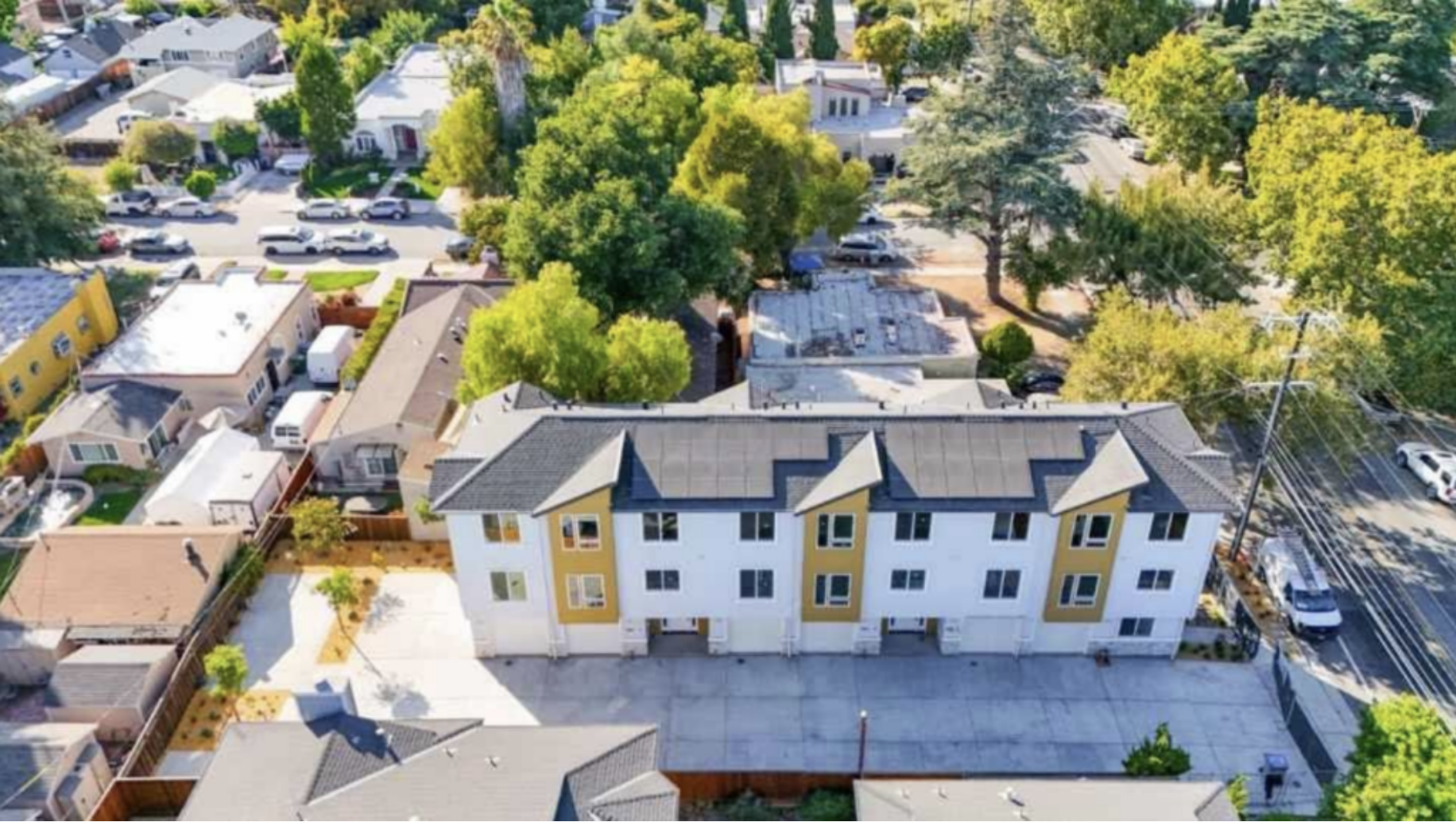
The proposal also called for developing a ministerial, or “by-right,” approval process for qualifying projects. Depending on lot size, Missing Middle housing could include duplexes, triplexes, townhomes and small multifamily buildings.
This would potentially affect residential neighborhoods throughout San José, including neighborhoods such as Baker West.
Residents turned out
The proposal generated substantial public response before and during the August 18 meeting. The City’s legislative record contains 14 separate batches of public letters, in addition to correspondence received after the meeting.
Residents also packed the Council meeting and participated in a lengthy public-comment session. Many raised concerns about traffic, parking, infrastructure and the consequences of applying the same density rules across very different San José neighborhoods.
Those concerns became part of the Council discussion.
Council modifies the approach
Rather than simply endorsing the staff recommendation of 32 units per acre citywide, the Council directed staff to evaluate multiple density alternatives, ranging from 16 to 32 dwelling units per acre, before returning with a final proposal.
The Council also requested consideration of minimum parking requirements in neighborhoods with limited access to public transit.
Mayor Matt Mahan acknowledged the concerns raised about applying one policy across San José’s diverse neighborhoods and said the City needs to be thoughtful about how change is managed.
Three Councilmembers vote No
The final vote was 8–3.
Councilmembers Domingo Candelas (District 8), George Casey (District 10) and Bien Doan (District 7) voted against moving the framework forward.
Their opposition reflected concerns heard from residents about traffic, infrastructure and applying substantially increased density to established residential neighborhoods.
Candelas was particularly direct, arguing that the City should concentrate more housing growth downtown and along major transportation corridors rather than applying the same approach broadly to residential neighborhoods.
He described the proposed approach as a “one-size-fits-all” policy that does not recognize differences among San José neighborhoods.
District 1 voted Yes
Baker West’s District 1 Councilmember Rosemary Kamei voted in favor of moving the process forward.
That vote did not enact the proposed 32-units-per-acre zoning. It authorized City staff to continue developing the program and studying alternatives before returning to the Council.
Did resident participation make a difference?
We believe it did.
Residents did not stop the Missing Middle proposal, but the Council also did not simply approve the original 32-units-per-acre recommendation.
Instead, additional density levels will be studied, parking requirements will be considered for areas poorly served by transit, and residents will have additional opportunities to participate before the final rules are adopted.
The City itself says the next phase will include environmental analysis and engagement with the community and interested stakeholders.
What happens next?
Nothing in the August 18 Missing Middle vote changes Baker West’s existing zoning today.
City staff must now develop the actual General Plan amendments and zoning ordinance changes, conduct environmental review, and continue community outreach.
The final proposed amendments and ordinance changes are currently scheduled to return to the Planning Commission and City Council in December 2027 for adoption. In other words, the August 18 vote authorized the City to develop the Missing Middle proposal; it did not adopt the zoning changes themselves.
Existing zoning therefore remains in effect while this process continues. Other housing laws already in effect, including applicable state laws such as SB 9, are unaffected by this process.
Baker West will continue monitoring the proposal through 2027 and let residents know when there are opportunities to comment on the specific rules that could ultimately affect our neighborhood.
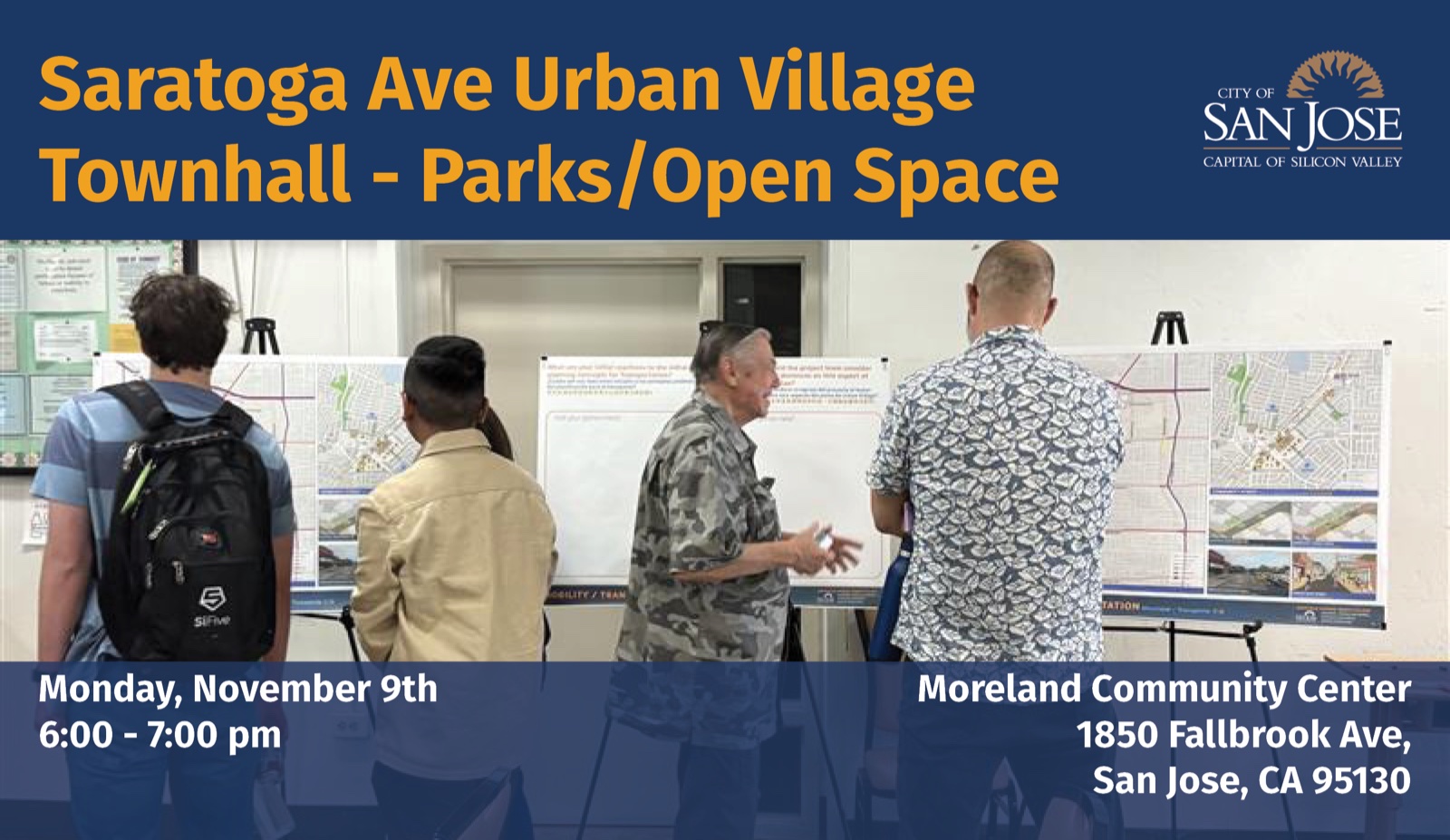
The next chance to hear where this is heading is close by: a September 24 community meeting on the General Plan and the Saratoga Urban Village, with City planning staff and Councilmember Kamei’s office taking part.